Controlling Cold Sores & Fever Blisters

Very few sufferers realize that simple preventive measures can minimize the impact of these irritating afflictions.

Cold sores and fever blisters tend to develop when an individual has a cold or fever but can also be triggered by sun exposure, emotional distress, intestinal illness and menstruation. These blisters can recur in the same spot or in different locations with a frequency ranging from weekly to yearly--some people infected with the virus never develop blisters. A sore or blister will typically take a few days to break. It will be contagious to others as long as it is visible and occasionally even beyond..

Eliminating all of the sources that can contribute to the onset of cold sores and fever blisters is impossible. But sufferers can condition their lips to be more resistant to these outbreaks.

Avoid Dryness and Sun Exposure

Very dry lips, no matter the season, are more prone to outbreaks of cold sores and fever blisters, according to Dr. Charles Zugerman, associate professor of clinical dermatology at Northwestern University Medical School.

"Lips that are very dry can crack, causing fissures that can easily become infected with viruses such as herpes simplex or with bacteria," said Zugerman. "Proper conditioning keeps lips from cracking and also shields lips from the suns propensity to trigger cold sores."

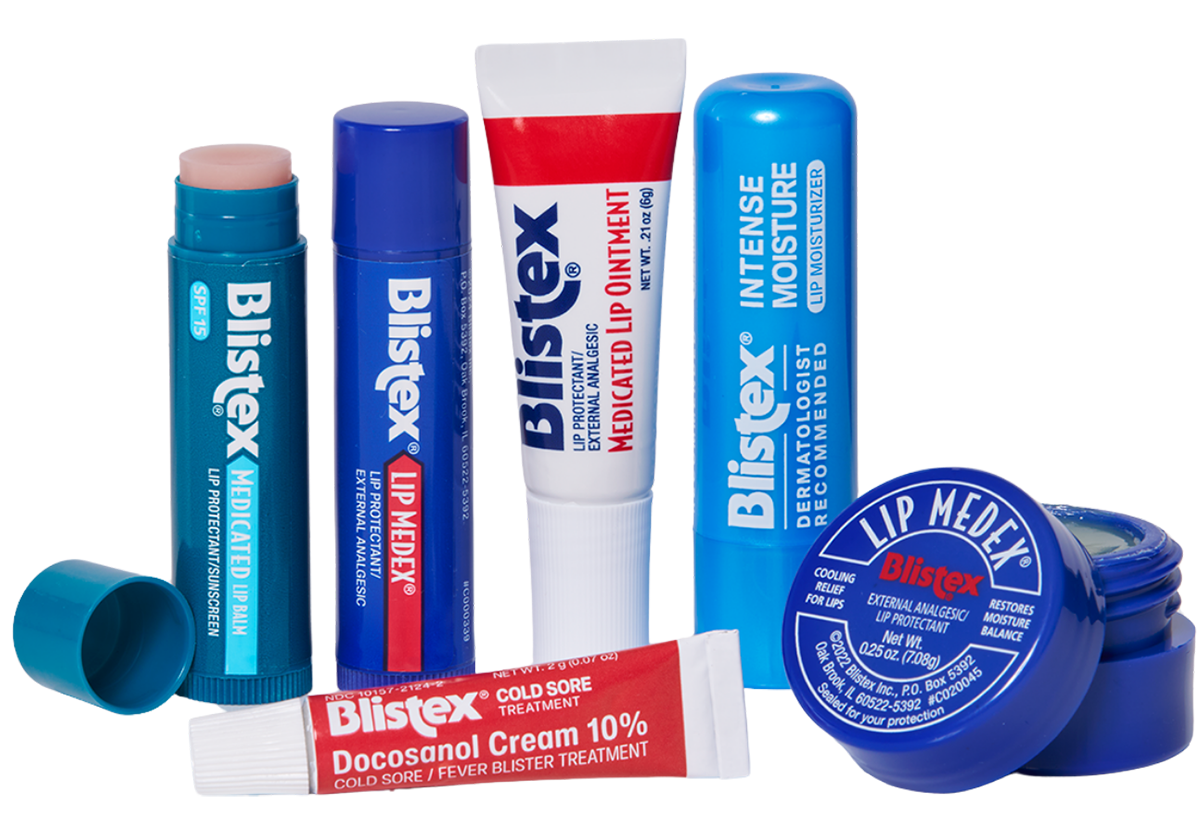
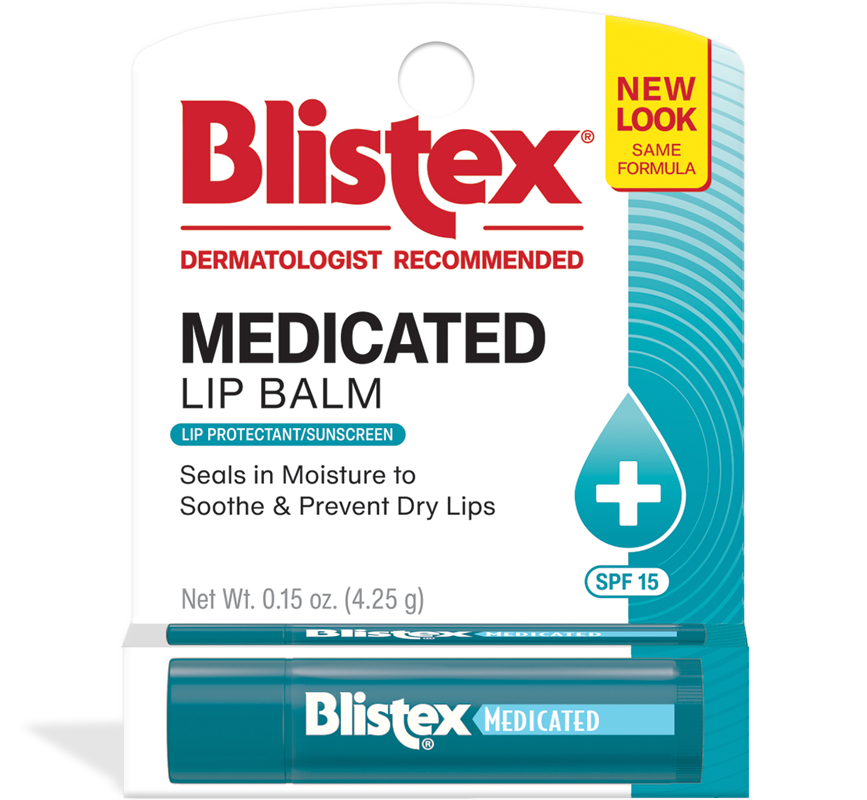
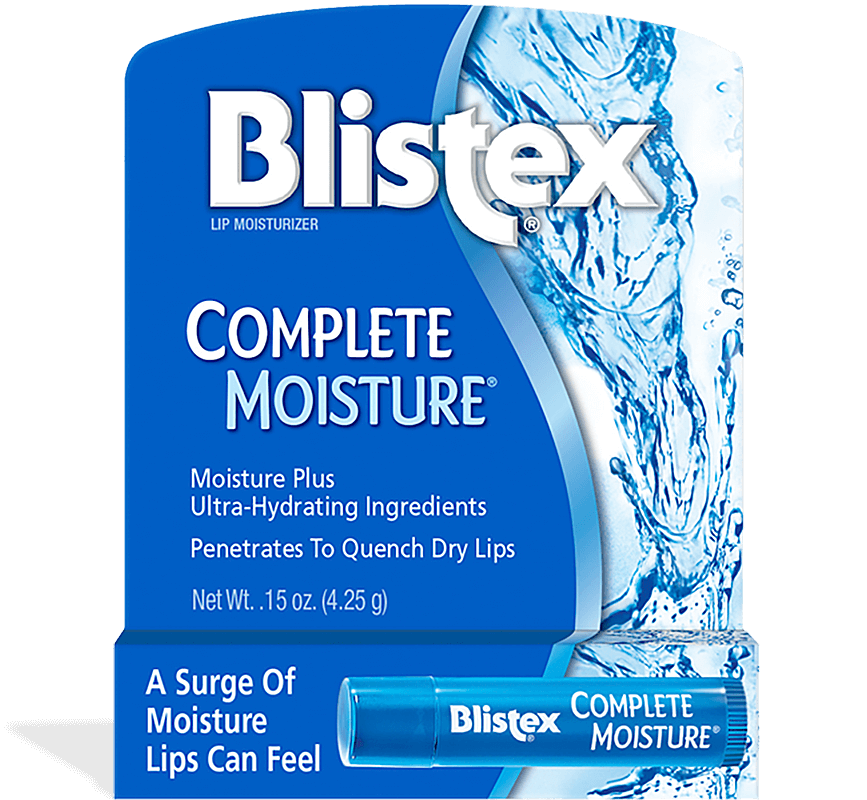
Zugerman recommends conditioning products, such as Blistex DCT (Daily Conditioning Treatment for Lips) with vitamins A and E and SPF 20, to keep lips from cracking and shield them from harmful UVA and UVB rays. The ultimate protective choice is Blistex Ultra Protection, a lip balm with a maximum sunscreen rating of SPF 30--but it should be noted that Blistex Lip Balm, Complete Moisture, Herbal Answer and Lip Tone all contain important SPF protection.

Stress Control and Cold Sores

Americans appear to be under more stress than in the past. Nearly half of them are, according to a 1998 survey about stress and its effects. Forty-four percent of respondents reported being under more stress than they were five years ago.

Work, finances, kids and too little time were the top contributors to feelings of stress. Survey respondents reported that stress was most likely to cause them to lose sleep or get headaches. Interestingly, only 41 percent of cold sore sufferers realized that their cold sore outbreaks could be linked to stress.

According to Dr. Charles Zugerman, associate professor of clinical dermatology at Northwestern University Medical School, stress is one of the primary triggers of cold sore outbreaks. "When stress, or any other factor compromises a person's immune system, the virus travels from the nerve roots up to the skin area, causing lesions to form," says Zugerman.

Taking steps to reduce personal stress levels is another way to decrease the likelihood of cold sore development. A stress-relieving program can include a massage, yoga, meditation, aromatherapy or anything that is personally relaxing. In addition, regular exercise and a healthy diet can reduce stress and help maintain a strong immune system.

Wake Up to Warning Signs

The arrival of a cold sore or fever blister is always unwelcome, but an alert sufferer can sometimes detect warning signs. Itching, tingling and a heat sensation usually mark the spot where a sore or blister will appear within 24 hours.

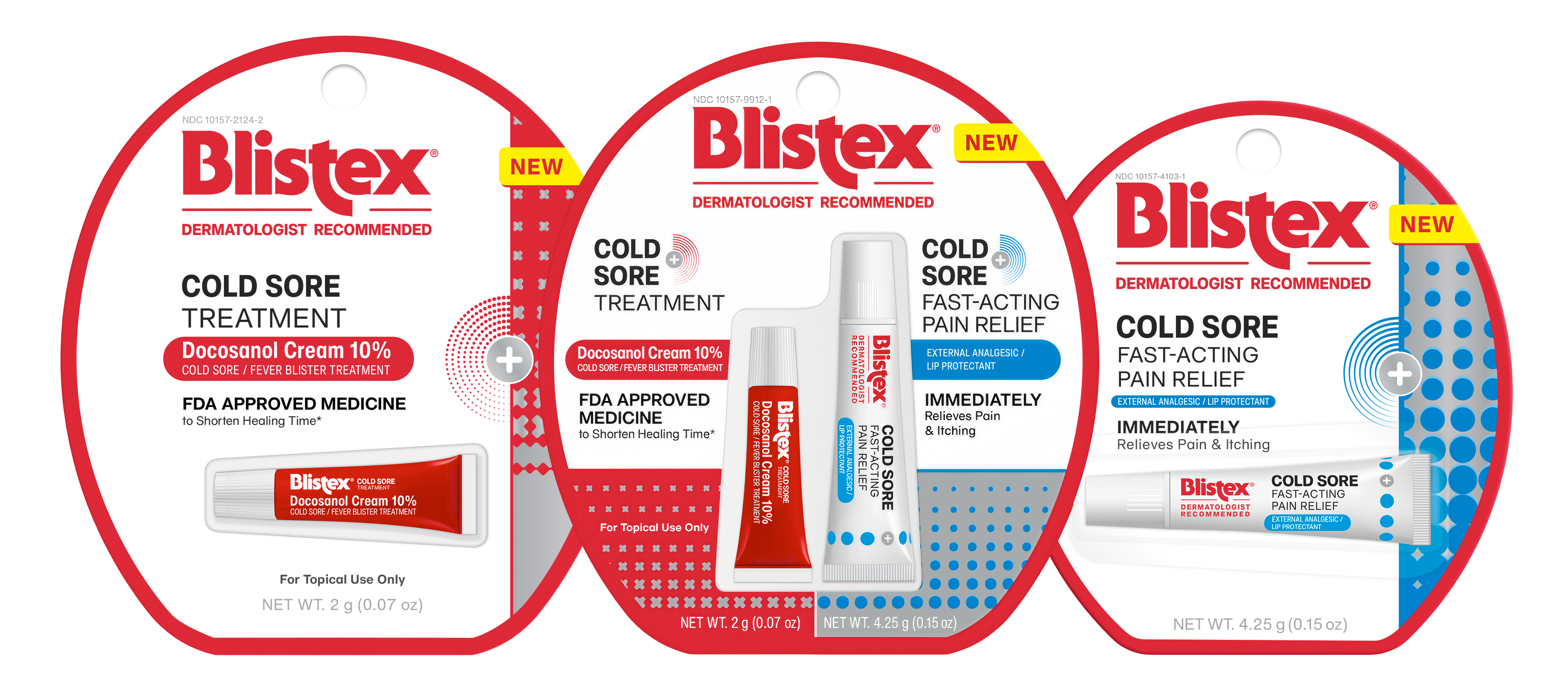
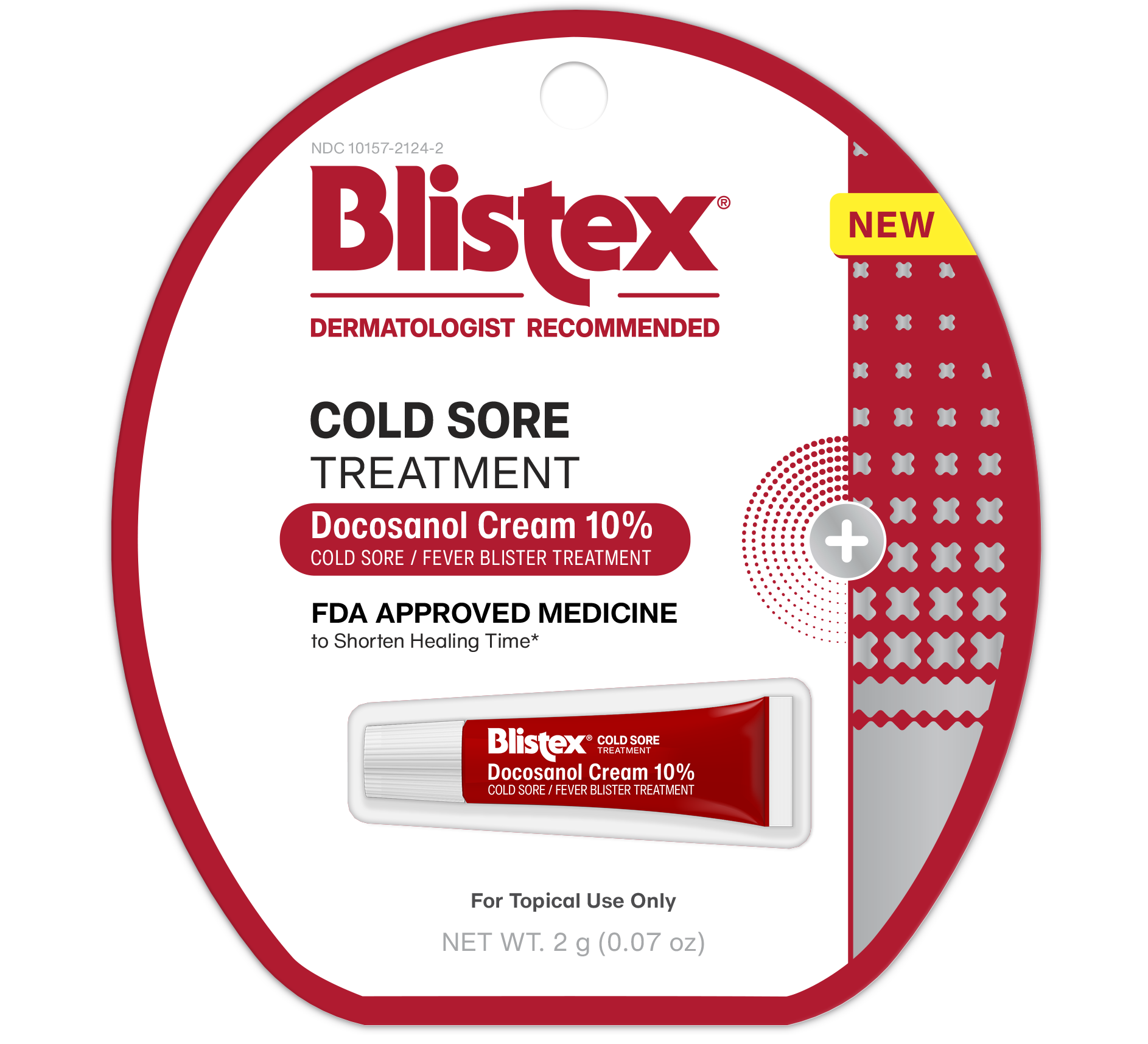
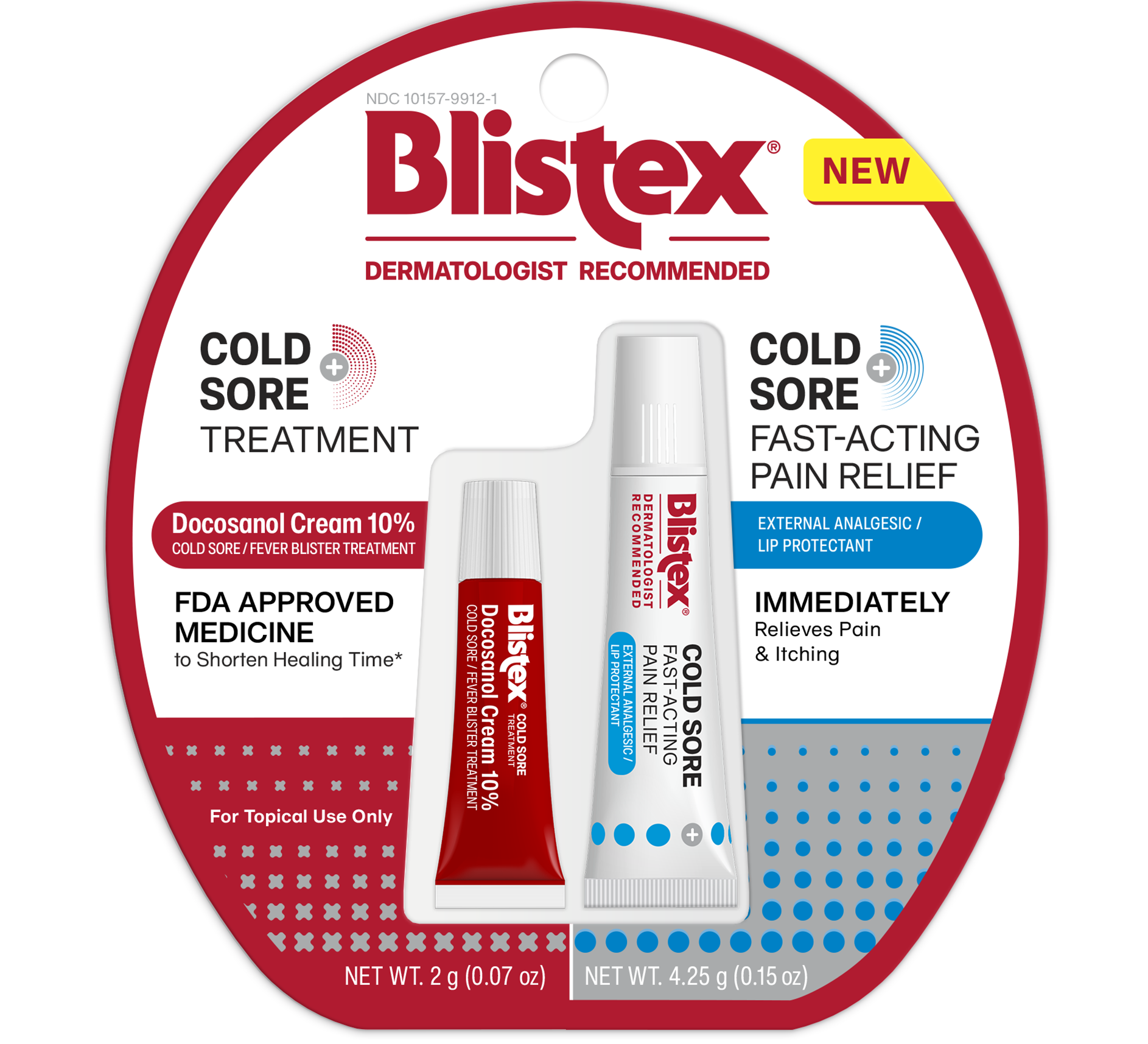
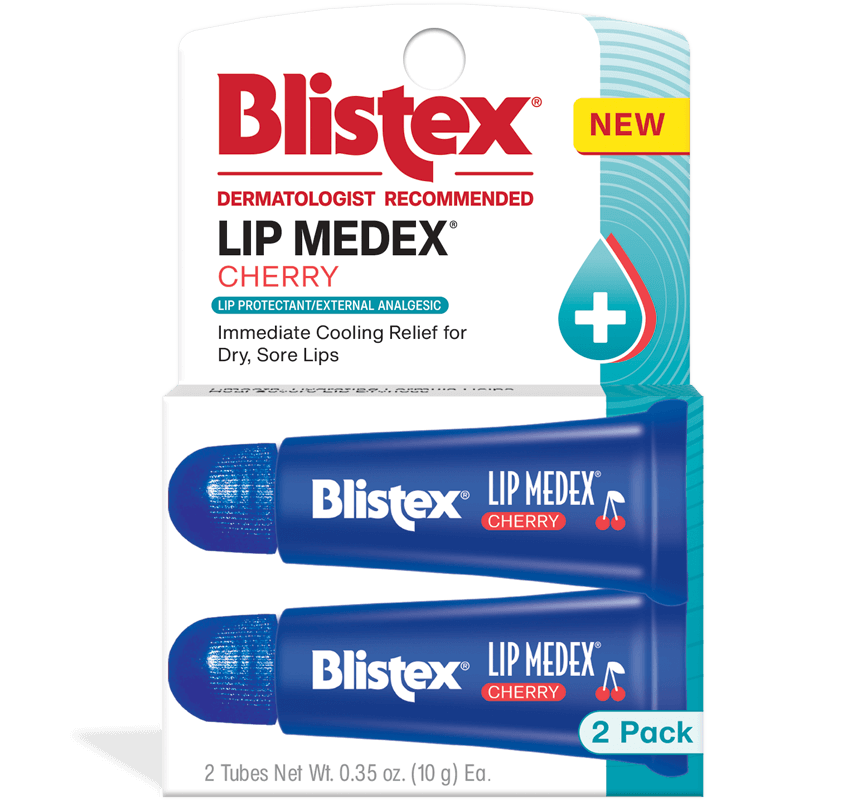
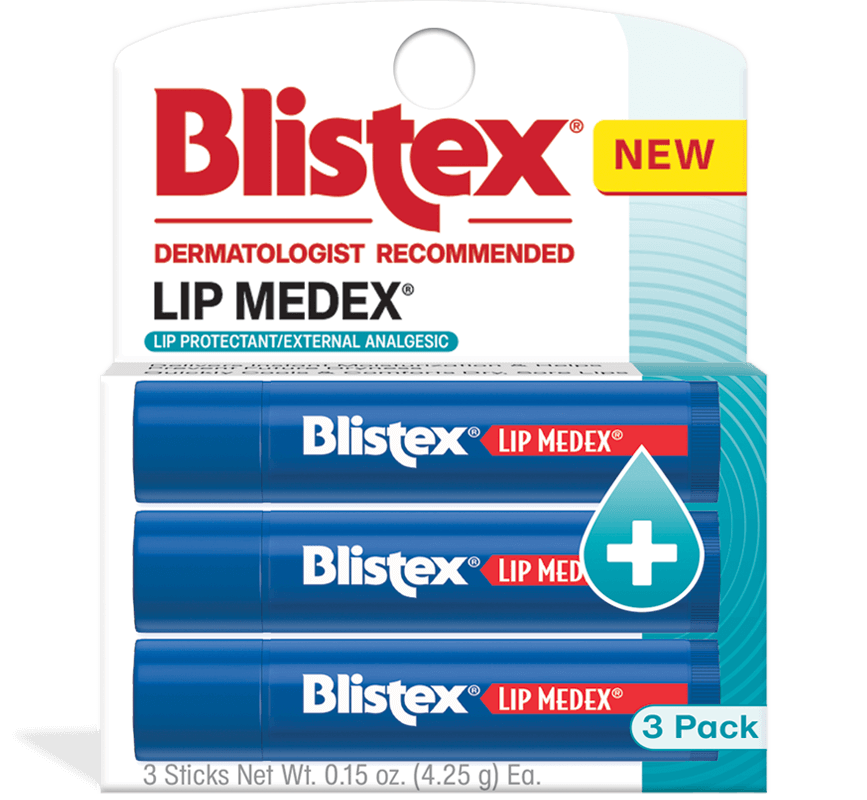
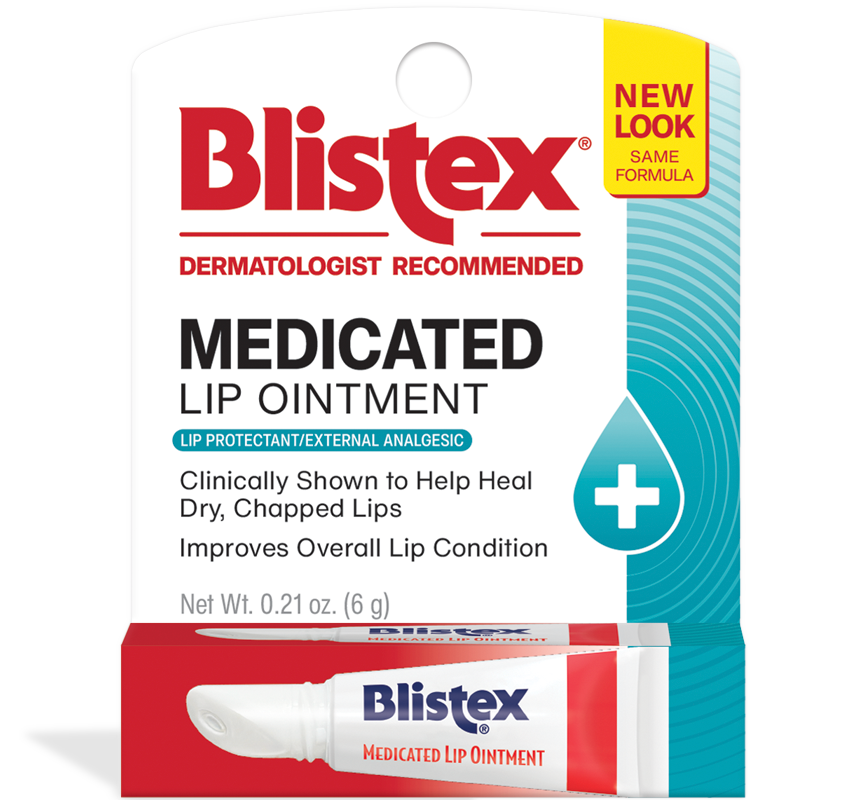
As soon as these signs are detected, Blistex recommends massaging a medicated lip care product, such as Blistex Lip Ointment, gently into the affected area up to four times daily. The penetrating analgesic provides quick, effective relief and Ointment's moisturizing properties soften the area to help prevent cracking. Lip Medex is another option for those who prefer an ultra-cooling effect.

Final Advice

Additionally, "cold sore sufferers should avoid unnecessary exposure to the sun and wind, and should not aggravate a sore by touching it," said Zugerman. "If cold sores or fever blisters become frequent or severe, you should consult a physician."